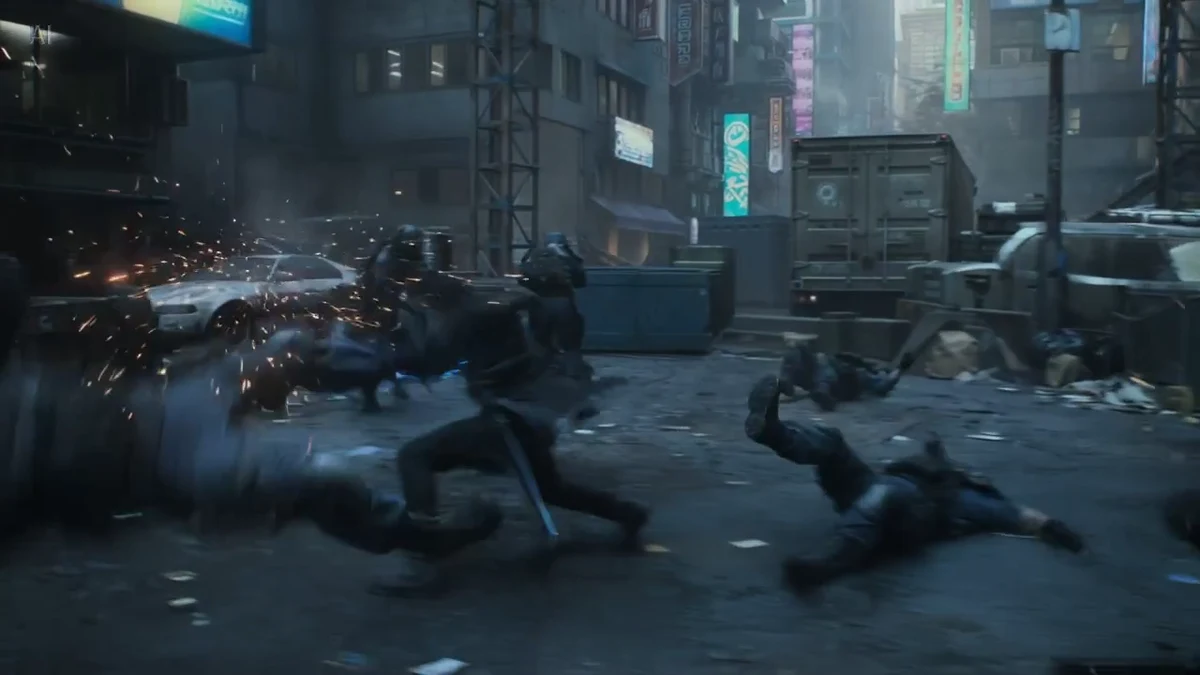
A game video should communicate a world and a readable action. This exercise creates a 20-second concept trailer for an original science-fiction game. The output is promotional footage, not a playable game, engine capture or proof of implemented gameplay.
An interactive video needs a clear choice and a consequence the viewer can recognize. Begin with a two-branch mystery: inspect an envelope or follow a noise outside. You will generate three ordinary video files—a shared opening and two outcomes—then connect them in an external player or interactive authoring tool.
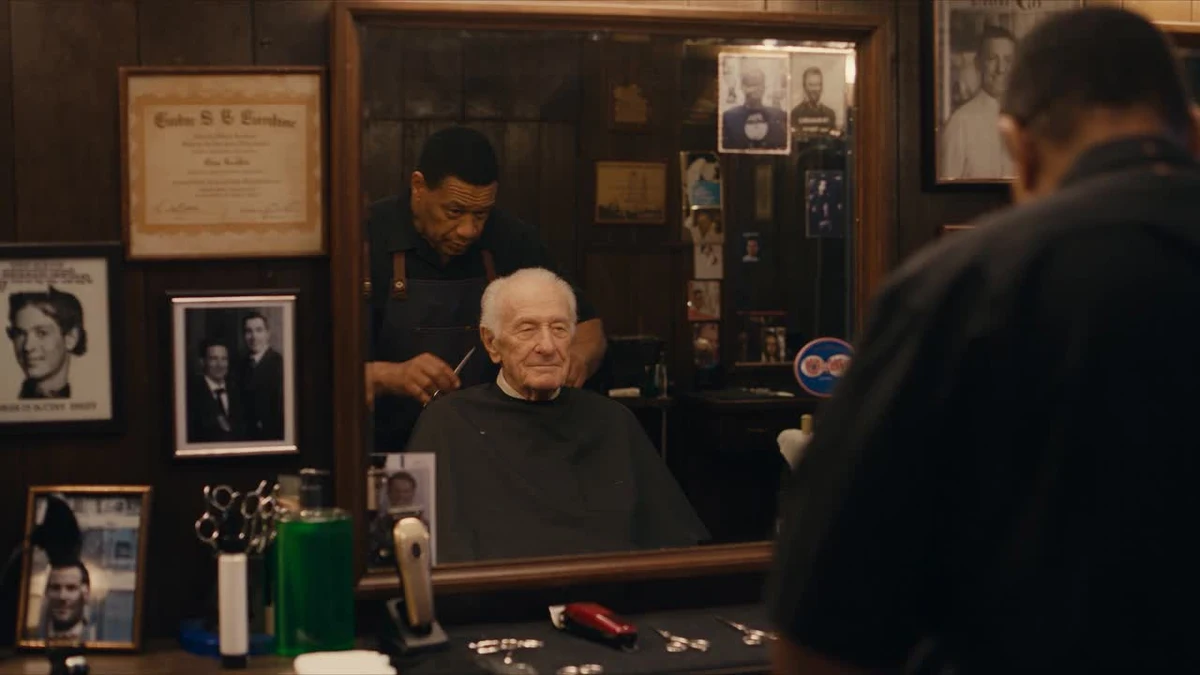
A microfilm can feel complete with one location, two people and one object that matters. This exercise plans a 45-second film about a barbershop closing for the night. It is built from several generated clips and a manual edit. The objective is a beginning, a change and an ending—not a collection of unrelated cinematic images.
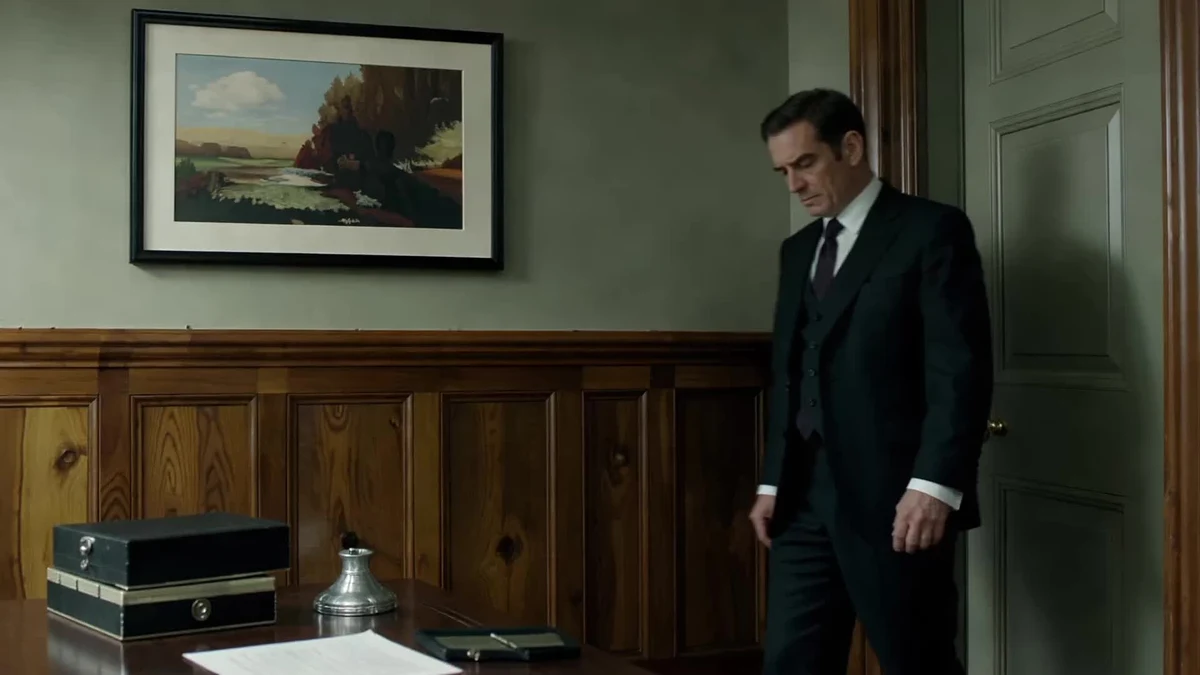
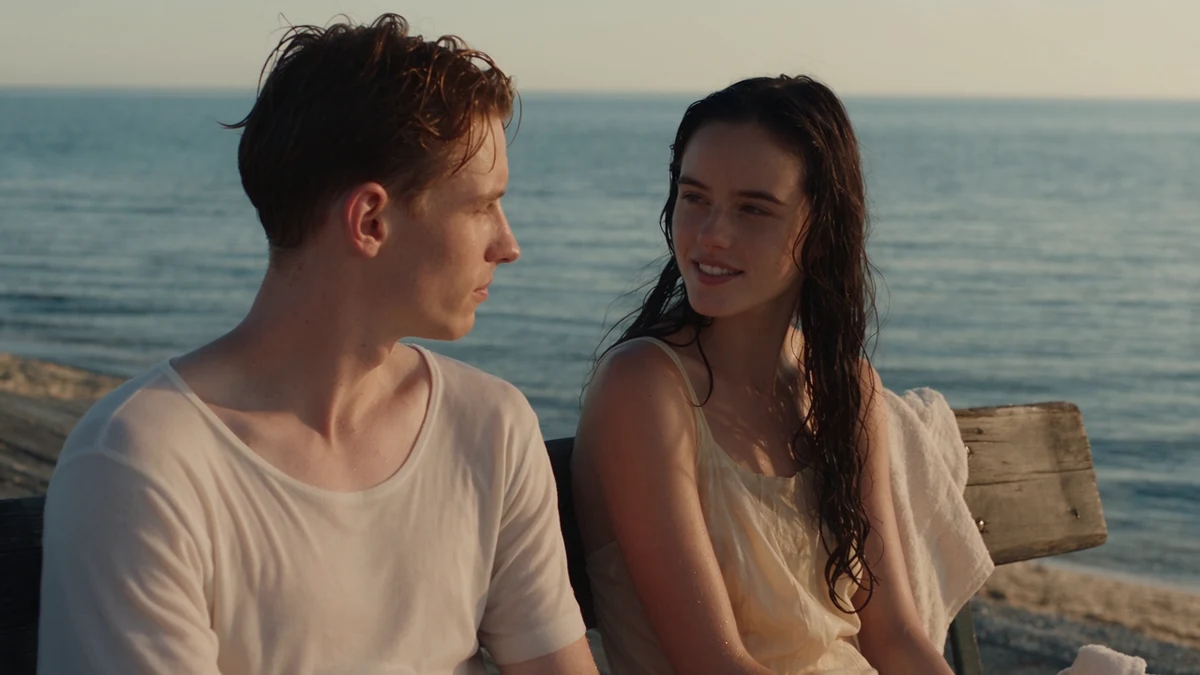
A convincing short drama needs a legible emotional change. This exercise makes a 25-second conversation in three shots: one person admits a mistake, the other reacts, and both remain in the same space. Generate visual performances first and add recorded dialogue or subtitles during editing.
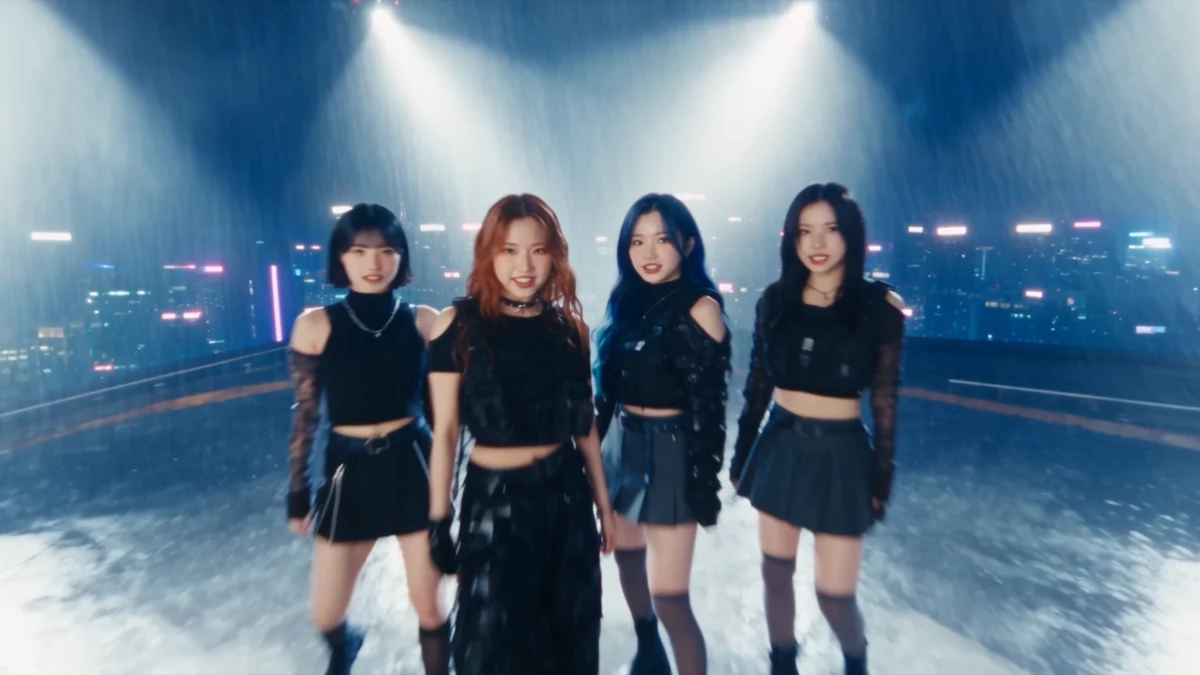
For a first AI music video, work on a 20-second chorus excerpt, not an entire song. Generate visual phrases that you can cut to your music. This walkthrough uses a rooftop performance concept, but the same method works for abstract lyric visuals or an atmospheric instrumental.
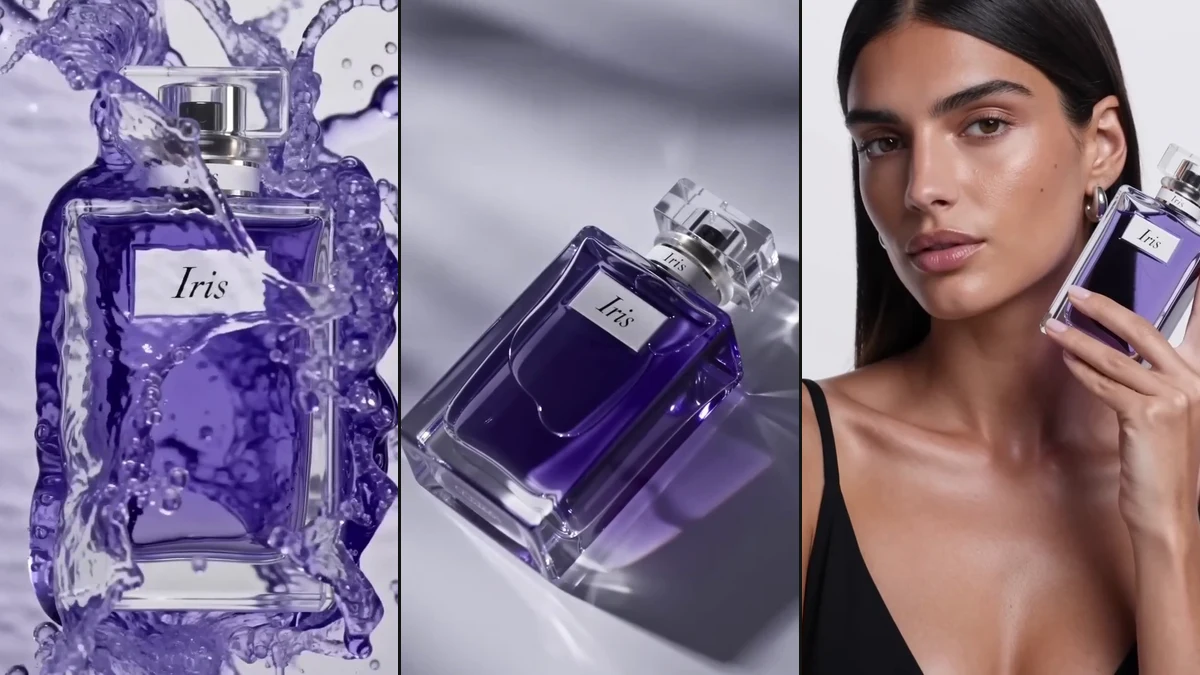
A useful product ad makes one promise visible. For this exercise, make a 15-second vertical perfume ad from three separately generated shots. The deliverable is an edited MP4, not a single prompt that promises an entire campaign. You will add the price, logo and call to action in your editor so they remain readable.
 aigenerator
 ↗